
HERA
How to Engage with / Repatriate ‘Artefacts‘–Ancestors? A Multi-Disciplinary Dialogue Around Collections of Ancestral Remains in German and French Museums
Partner Institutions
- SAVVY Contemporary: The Laboratory of Form-Ideas
- inherit – heritage in transformation
- Humboldt-Universität zu Berlin
- École des hautes études en sciences sociales
- Université de Kinshasa
- University of the Western Cape
- Ethnologisches Museum
- Berliner Medizinhistorisches Museum der Charité
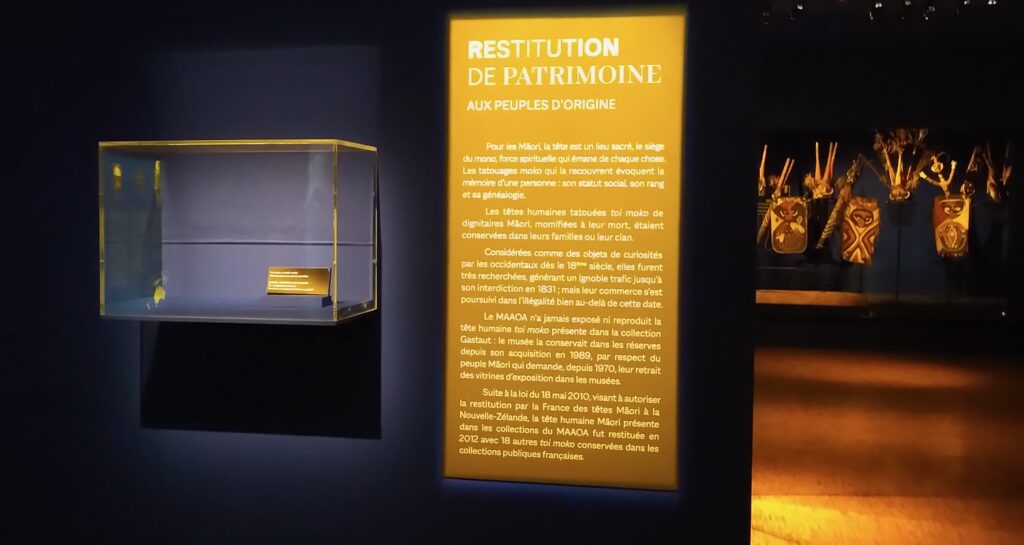
- MAAOA - Musée d'Arts Africains, Océaniens, Amérindiens
Summary
Physical Anthropology collections (comprising ancestral remains, anthropometric photographs, plaster casts, and many other material traces of racial anthropology) are perhaps the quintessential example of a problematic collection. Increasingly, scholars and activists point out that the modern museum has been a site par excellence for the transmission and reproduction of empires (Bennett, 1995), including an ’empire of knowledge’ founded on disciplinary rituals of collecting, expeditions, and ethnographic fieldwork (Rassool, 2015). Many now support the imperative of ‘undoing Empire’ (Buscaglia-Salgado, 2003). This imperative does not ‘simply’ mean the reburial of ancestral remains, but also a reflection on the ethics of conserving, managing, and studying (or not studying) the human remains of Indigenous populations–bringing together researchers from multiple disciplinary fields in dialogue with the communities whose ancestors have been photographed, studied, recorded, or transformed into physical anthropological specimens.
The main objective of this project is to create an interdisciplinary network of researchers working on the history of ancestral remains collections from Central and Southern Africa, with a particular focus on provenance research. The project involves two university institutions from France and Germany (inherit. heritage in transformation, Humboldt-Universität zu Berlin, and the École des Hautes Études en Sciences Sociales in Marseille), an independent, non-profit artistic organisation and cultural platform based in Berlin (SAVY Contemporary), two university institutions from Sub-Saharan Africa (University of Kinshasa and University of the Western Cape), and has as its main partners three museums (Ethnologisches Museum in Berlin, the Berlin Museum of Medical History of the Charité, and the Musée d’Arts Africains, Océaniens, Amérindiens in Marseille). Experts from outside these institutions are also involved, coming from museum or university institutions in both countries (for example, Technische Universität Berlin) or from transnational institutions (for example, the International Committee for Museology).
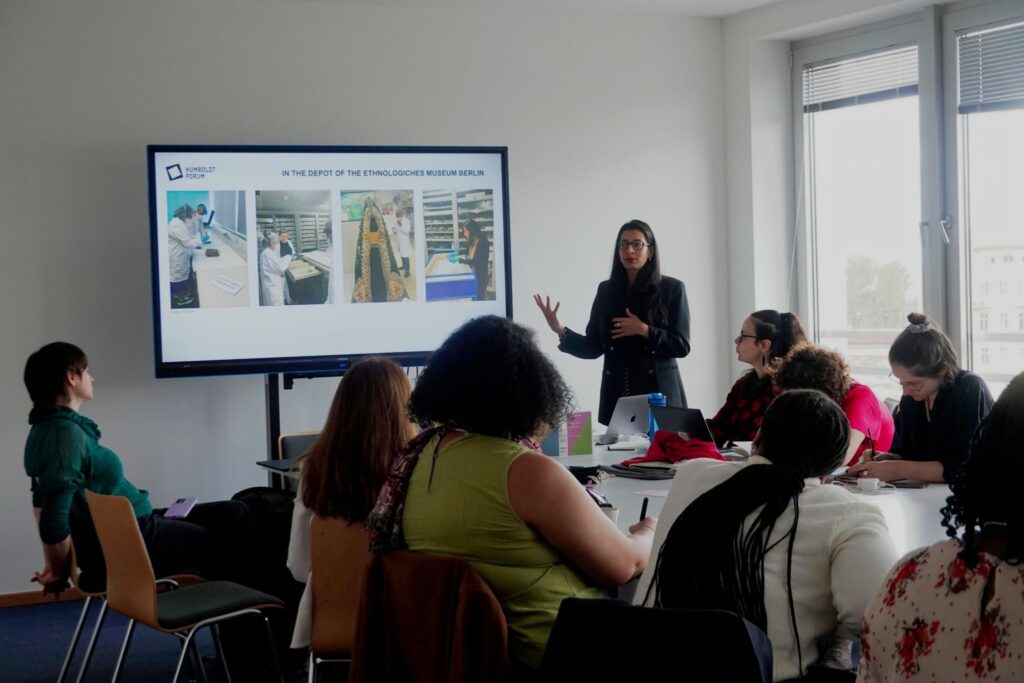
The project is structured in two consecutive five-month phases. The first phase begins with an online exchange of information and dialogue between museum professionals and researchers, including a methodological workshop entitled Doing Provenance Research in Germany: Tools, Databases, and Access (May 2026). This phase culminates in a week-long, in-person workshop in Berlin (June 2026), hosted across key museums such as the Ethnologisches Museum and the Berlin Museum of Medical History of the Charité, alongside collaborative sessions at the inherit premises and at SAVY Contemporary, fostering collective reflection and synthesis of findings. The second phase follows a similar pattern of online exchanges and hands-on research, including a methodological workshop entitled Doing Provenance Research in France: Tools, Databases, and Access (July 2026). This phase culminates in an intensive week-long workshop (November 2026) at the Musée d’Arts Africains, Océaniens, Amérindiens in Marseille (MAAOA), as well as across additional museum settings, university research environments, and archival collections in Marseille and Aix-en-Provence. A public workshop event (November 13th) will bring together participants, museum staff, and invited experts to share insights, present findings, and stimulate broader dialogue.





Posts
-
 09.06.2026
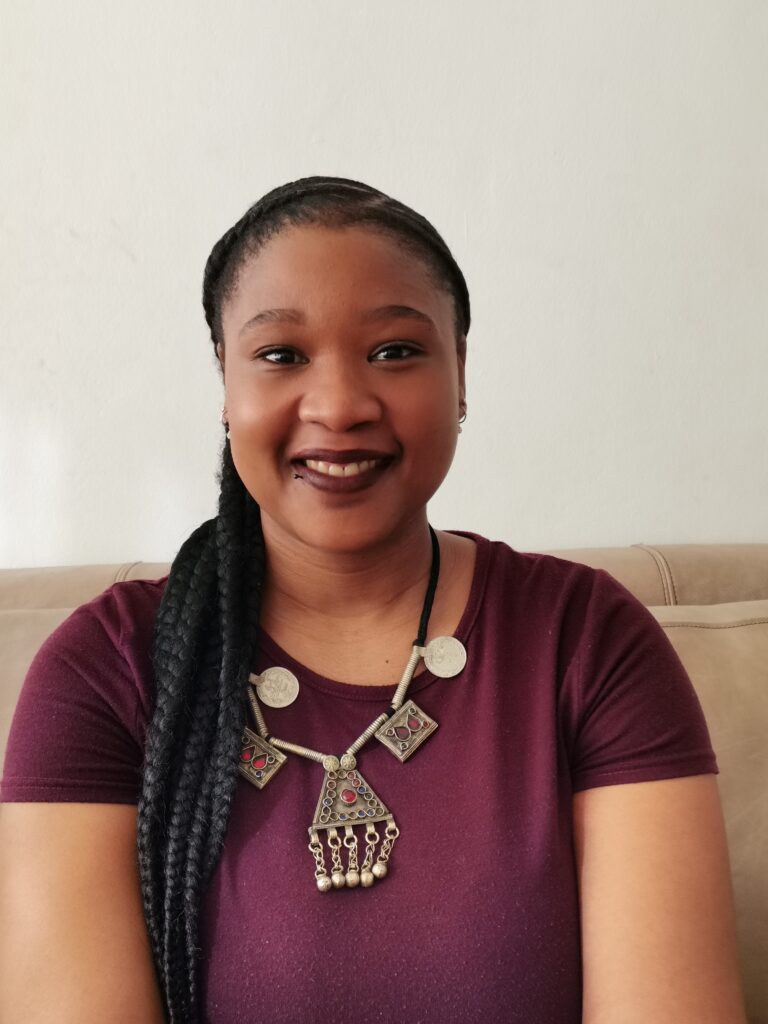
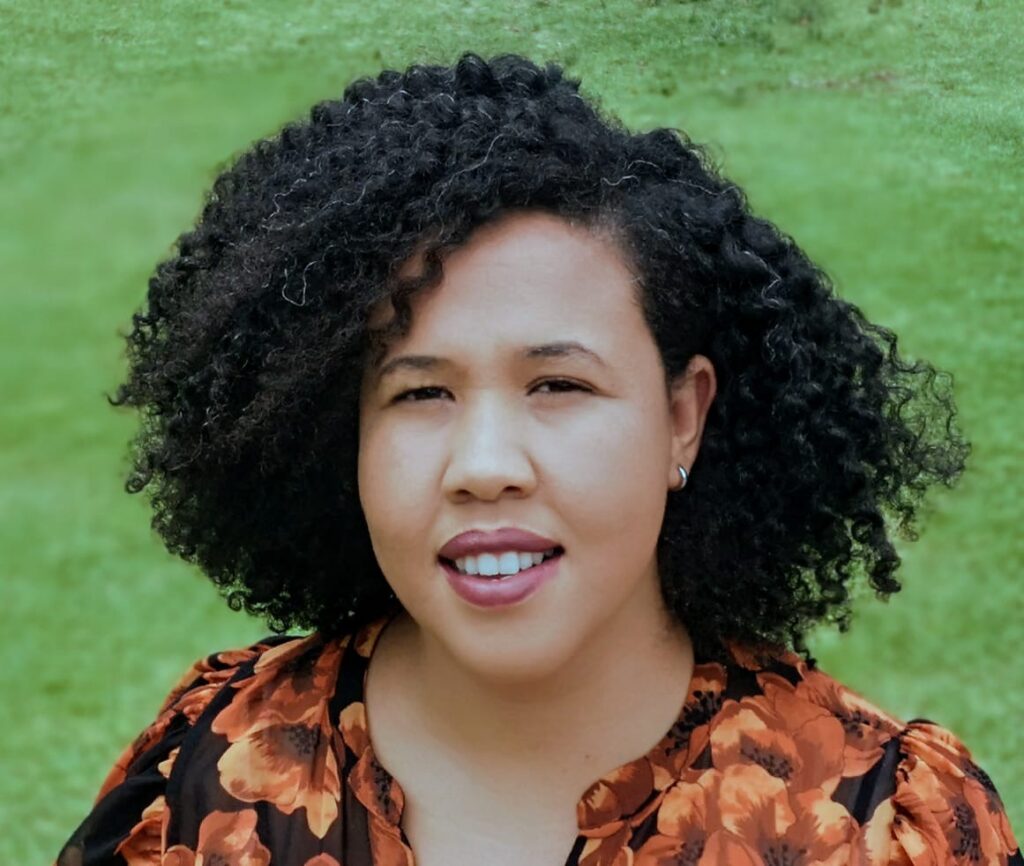
inherit’s lecture series – Damiana Oțoiu in conversation with Nomawethu Hlazo and Robyn Humphreys, members of the multi-disciplinary project HERA
09.06.2026
inherit’s lecture series – Damiana Oțoiu in conversation with Nomawethu Hlazo and Robyn Humphreys, members of the multi-disciplinary project HERA -
 05.06.2026
How to Engage with / Repatriate ‘Artefacts’–Ancestors? A Multidisciplinary Dialogue on Collections of Ancestral Remains in German and French Museums
05.06.2026
How to Engage with / Repatriate ‘Artefacts’–Ancestors? A Multidisciplinary Dialogue on Collections of Ancestral Remains in German and French Museums