
ODAYO : Color Heritage Provenance
Generic call

Summary
The ODAYO project proposes a provenance research method that combines historical investigation with an analysis of materials and organic dyes. It offers a pilot study of Yoruba works with polychrome decorations, preserved in France and Germany. The corpus is made up of works collected during the pre-colonial and colonial period, originating from the Yoruba zone located between Porto Novo and Abeokuta (South-East Benin and South-West Nigeria).
The material study of these artefacts, the stylistic interpretation and the physico-chemical analysis of the dyes, pigments and binders increases the research process and provides dating elements and clues concerning their manufacture and their geographical origin.
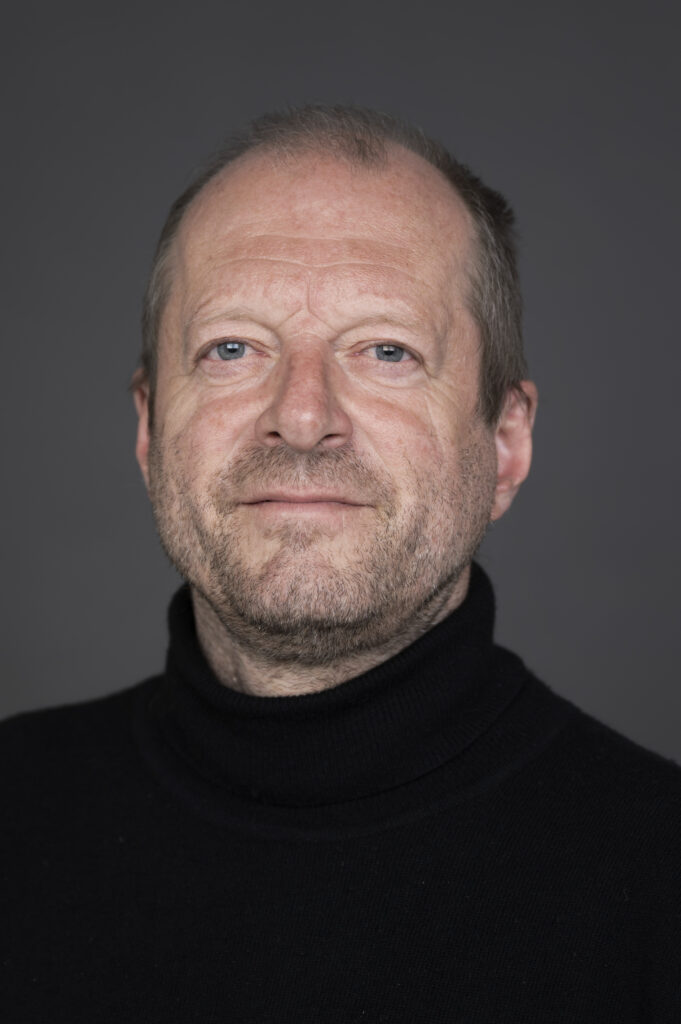
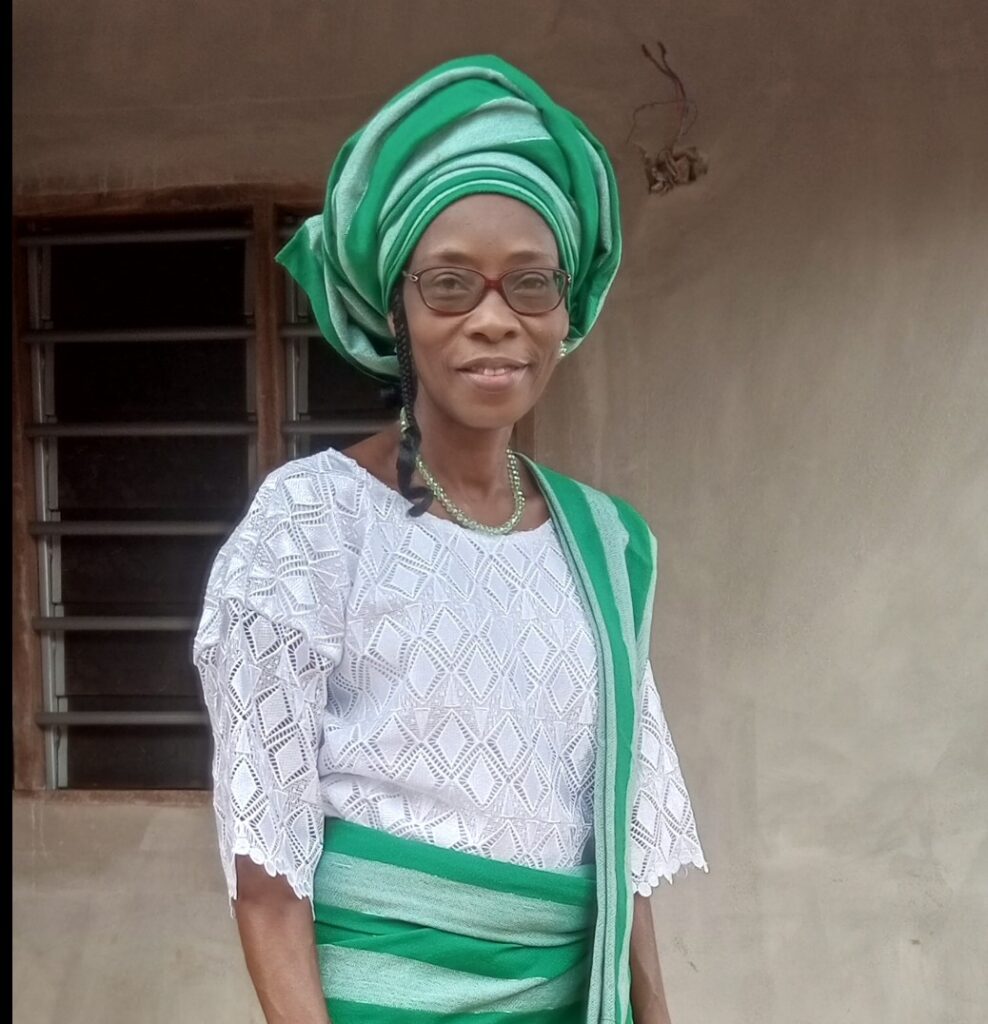
This project is designed by the University Center of Natitingou (UNSTIM) in Benin, which develops a capacity for analysis and ethnobotanical studies in an exchange with Yoruba artisans, promoting the documentation of know-how and the retransmission of research to the source populations. Research work around techniques, plants, dyes and pigments will be conducted with artisans and experts from the regions concerned and the results will be shared in return.
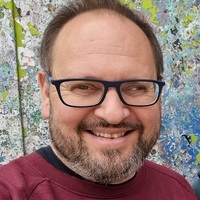
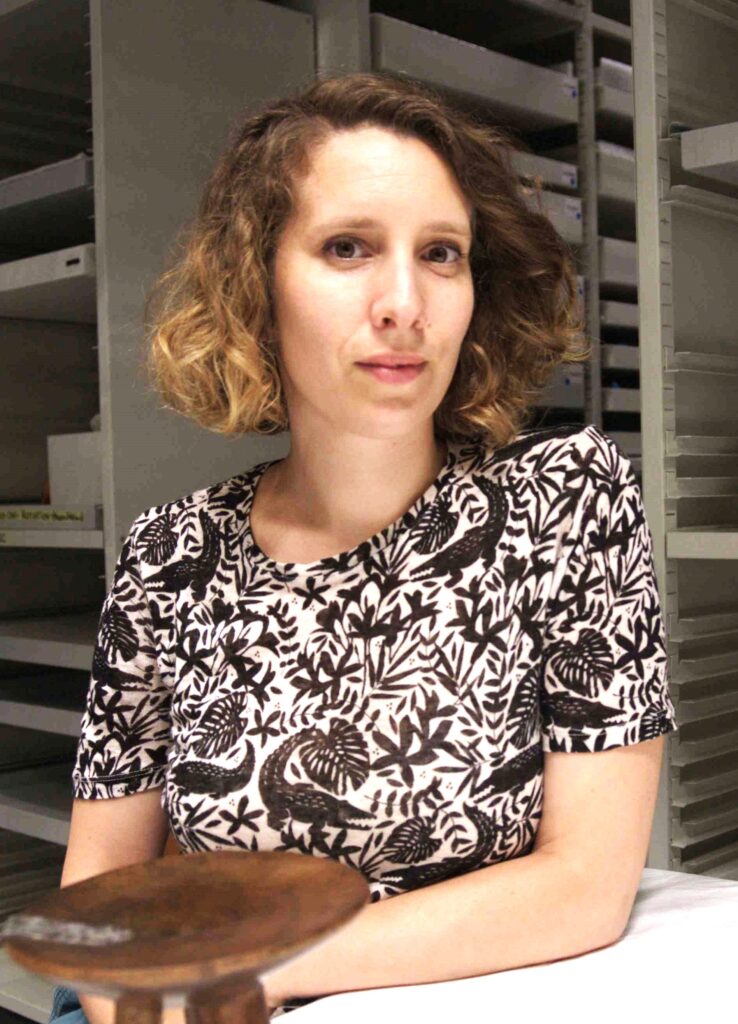
It is also carried out in France by two independent researchers, one being an object conservator (organic materials and polychromes) the second a provenance researcher and ethnobotanist. Their work with the collections preserved in Europe will be enhanced by fundamental knowledge received via the strong link with the Beninese team and the Yoruba artisans, and that this link will at the same time allow these people to access their heritage in exile.
In 2025, this initial collective was able, thanks to initial support from the Marc Bloch Fund, to constitute a multidisciplinary and plurinational collaboration and build a team with the Museum Fünf Kontinente in Munich and the Musée des Confluences in Lyons, and to include the participation of the Museum of Arts of Africa, Asia and Oceania in Marseille (MAAOA) and that of the Green Laboratory in Avignon. In Benin, the joining of a museum curator expert in heritage mediation and two Beninese doctoral students who joined the team, allowed to expand a training component and the question of disseminating the results to the general public in Benin. The objective of this year of research will be to demonstrate the value of this approach, to make it visible and to make it sustainable. A publication and a film will make this work visible. Through two events in Benin, the results will be shared with the general public, researchers and students, artists and artisans from the source communities. These events will be relayed in Europe in the world of museums.
Duration
10 months



Posts
-
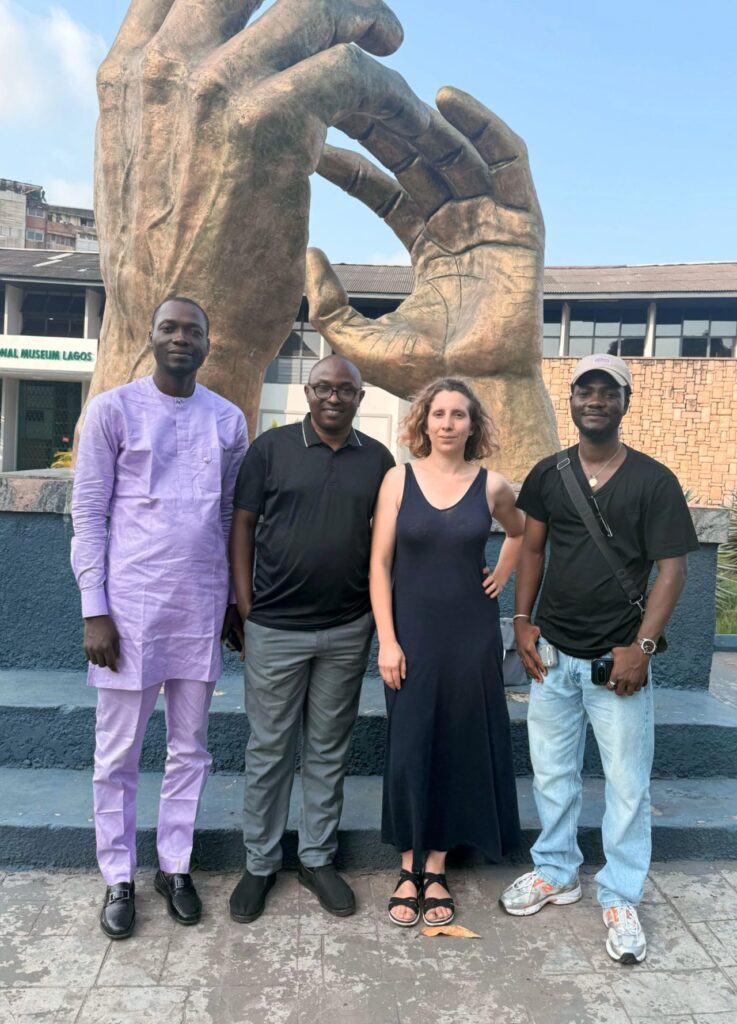 03.08.2026
À la rencontre des professionnels du patrimoine et experts des arts yoruba Les enquêtes au Nigéria
03.08.2026
À la rencontre des professionnels du patrimoine et experts des arts yoruba Les enquêtes au Nigéria -
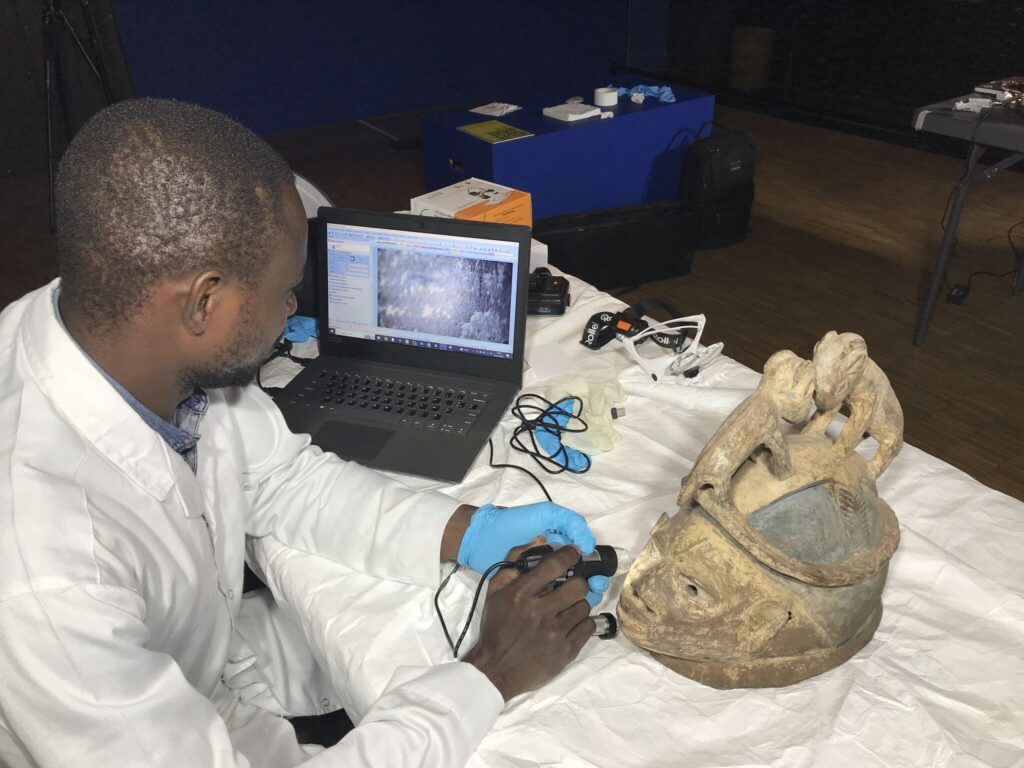 04.05.2026
L’aventure ODAYO se poursuit au MAAOA-musées de Marseille ! 4 mai au 15 juin 2026
04.05.2026
L’aventure ODAYO se poursuit au MAAOA-musées de Marseille ! 4 mai au 15 juin 2026 -
 01.05.2026
Projet ODAYO sur LinkedIn
01.05.2026
Projet ODAYO sur LinkedIn
-
 06.04.2026
Film de présentation du projet ODAYO
06.04.2026
Film de présentation du projet ODAYO
-
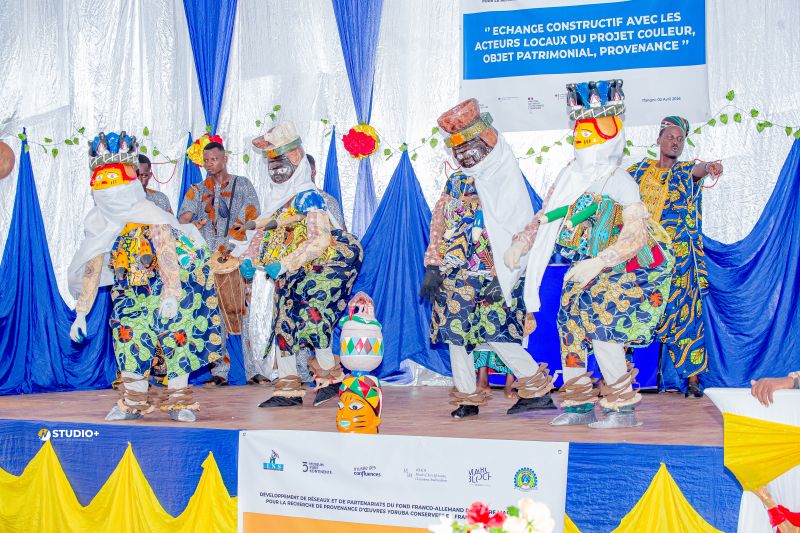 03.04.2026
Auftakt des Projektes ODAYO in Ifangni, Benin Das Yoruba-Kulturerbe
03.04.2026
Auftakt des Projektes ODAYO in Ifangni, Benin Das Yoruba-Kulturerbe